Behind Every Memorable Experience Is a System
We were still an hour away from dinner when the phone rang. A confirmation call - after two previous confirmations. What happened next was an expert example in how systems and training create experiences customers remember.
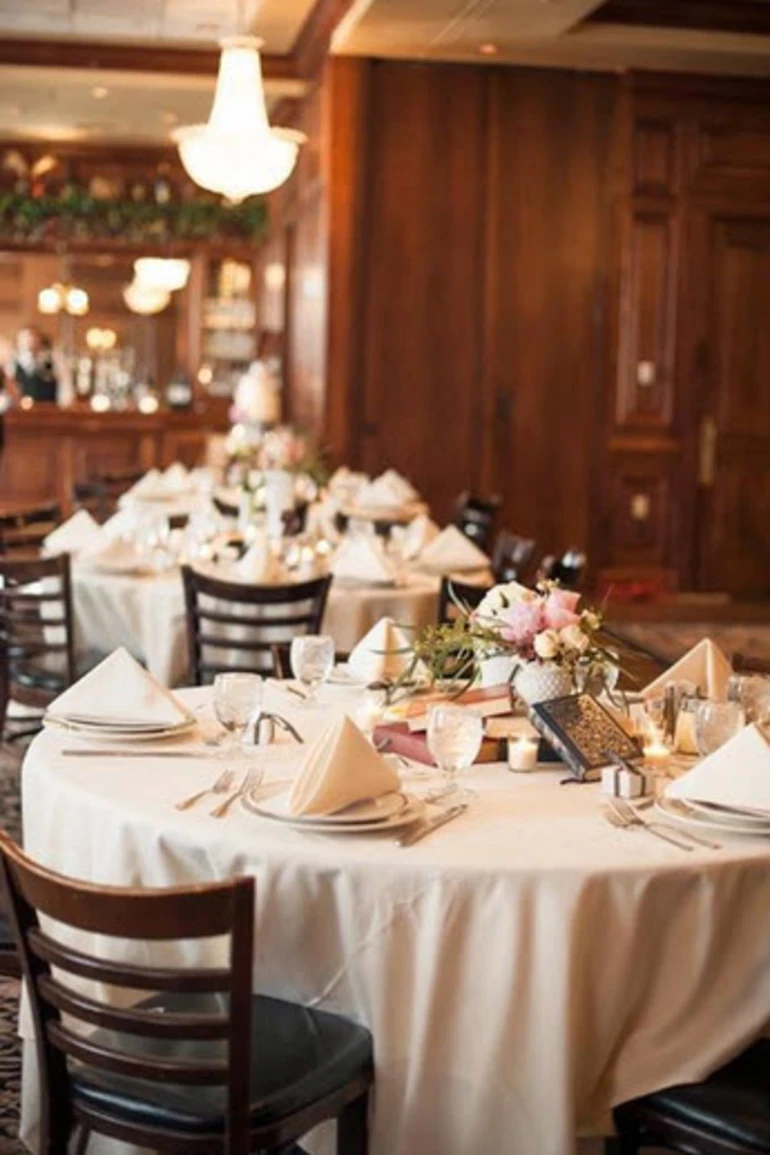
We were still an hour away from dinner when the phone rang. "We're calling to confirm your reservation for 15 people at 3 p.m."
I was surprised to get the call. I'd already received a text the day before and pressed 1 to confirm. And a few days before that, I'd spoken with the hostess to provide our menu selections from the family-style options and confirm the reservation.
I'd been to several Maggiano's Little Italy locations over the years, but this was the first time I was trusting a full-service restaurant with something as precious as my mother's 85th birthday. We'd considered banquet facilities and more traditional event venues, but none seemed to offer the family atmosphere we were looking for, so we decided to keep things simpler with just immediate family.
We'd been driving for two hours, and our ETA showed we'd arrive about 10 minutes after 3 p.m. Family members were coming from three different directions. When I asked why they were calling after two previous confirmations, the hostess explained that they call on the day of the reservation to check for any last-minute changes. As it turned out, there were changes.
We were now down to 14 people, and I asked whether we could have a small table for gifts. She explained that we'd be seated in the main dining room and they couldn't dedicate another table to gifts on a busy Saturday, but she'd see what she could do.
I was already a bit nervous about hosting a larger family event in the main dining room. Large parties can take longer to serve because most dining rooms are set up to seat and serve tables of four. A large dinner party can throw off the normal flow in a restaurant.
As a customer, I had ambitious expectations.
I wanted an easy experience where we could focus on the guest of honor, talk and laugh with family we hadn't seen in years, and create memories in a comfortable environment. As we walked into the dining room, I noticed two other long tables with about 20 people each. Every table seemed full. I knew it was going to be a busy Saturday for the restaurant.
Then we went through a system.
A perfected system for setting expectations, as the friendly server explained each step of the experience. "We are now starting with bread and two types of salad," she explained, and then continued with the appetizers. There were a lot of plates, glasses, and silverware, but just the right amount. After each course, the dishes were cleared and replaced with fresh ones, containers were offered for leftovers, and the staff prepared the table for the next course. With each dish, the server announced, "Here are the roasted medallions," and so on.
At one point, when I walked with my mother to the restroom, restaurant staff along the way smiled and wished her a happy birthday. Every table was full, yet throughout the night, we felt like we were the only ones dining. It felt special. The food was hot. The only vegetarian at the table was accommodated and served along with everyone else at the same time. They remembered to bring out the candles we'd given them on a cake, but arranged them as 58 instead of 85. They said my mother looked so young.
This was not just family style, this was a system.
Quality Systems Are at the Core of a Memorable Experience
In Atomic Habits, James Clear writes: "You do not rise to the level of your goals. You fall to the level of your systems." A similar idea is expressed in a saying often attributed to the ancient Greek poet Archilochus: "We don't rise to the level of our expectations, we fall to the level of our training."
Systems and training. Both are important.
Well-designed systems, supported by effective training, make consistent execution possible.
But what impressed me most wasn't simply how efficiently the restaurant operated. It was how those systems supported the intended experience.
This experience demonstrated how systems and training enabled the restaurant to:
- Protect the family table atmosphere - adding a small table for gifts, clearing each course and the clutter to make room for the next, and providing containers for leftovers as a clear signal that we were moving to the next course.
- Enable conversation and engagement - the right amount of interaction, not interrupting to ask "How is everything?", and knowing when to time the next course.
- Let service play the best supporting role to a high-quality product - each food dish was good, but the way the server announced it when placing it on the table gave it importance.
- Make the customer the protagonist of the story - they never said, "I'm Julie, and I'll be serving you today." Instead, as the staff engaged with my mother, they called her by name and wished her a happy birthday.
Perfectly Designed Systems Can Achieve Poor Results
W. Edwards Deming, one of the most influential leaders in quality management, said: "Every system is perfectly designed to get the results it gets."
A restaurant can have systems designed to maximize table turns, reduce labor costs, improve speed of service, and increase throughput. Those systems may work exactly as designed and at the same time make the customer feel rushed, ignored, and unimportant.
Perfect execution of the wrong system can still deliver a poor customer experience.
That's why operators need to think beyond whether their systems are working and ask what those systems are designed to achieve.
I now understand why Maggiano's called a few hours before our reservation, even after two previous confirmations. That final conversation helped the restaurant prepare for the experience we expected. They learned our party size had changed and that we'd need space for gifts.
Initially, the hostess couldn't promise another table. Accommodating that request on a busy Saturday meant finding a way to work within, or around, the normal system. And they made it work.
What was happening in the kitchen that evening? I don't know. I imagine it was busy, especially with several large parties in the dining room. But I know the kitchen system was working because the experience outside the kitchen was seamless. The hostess system was working, too. Multiple systems were working together, designed around the customer experience while supporting the core operations of the restaurant.
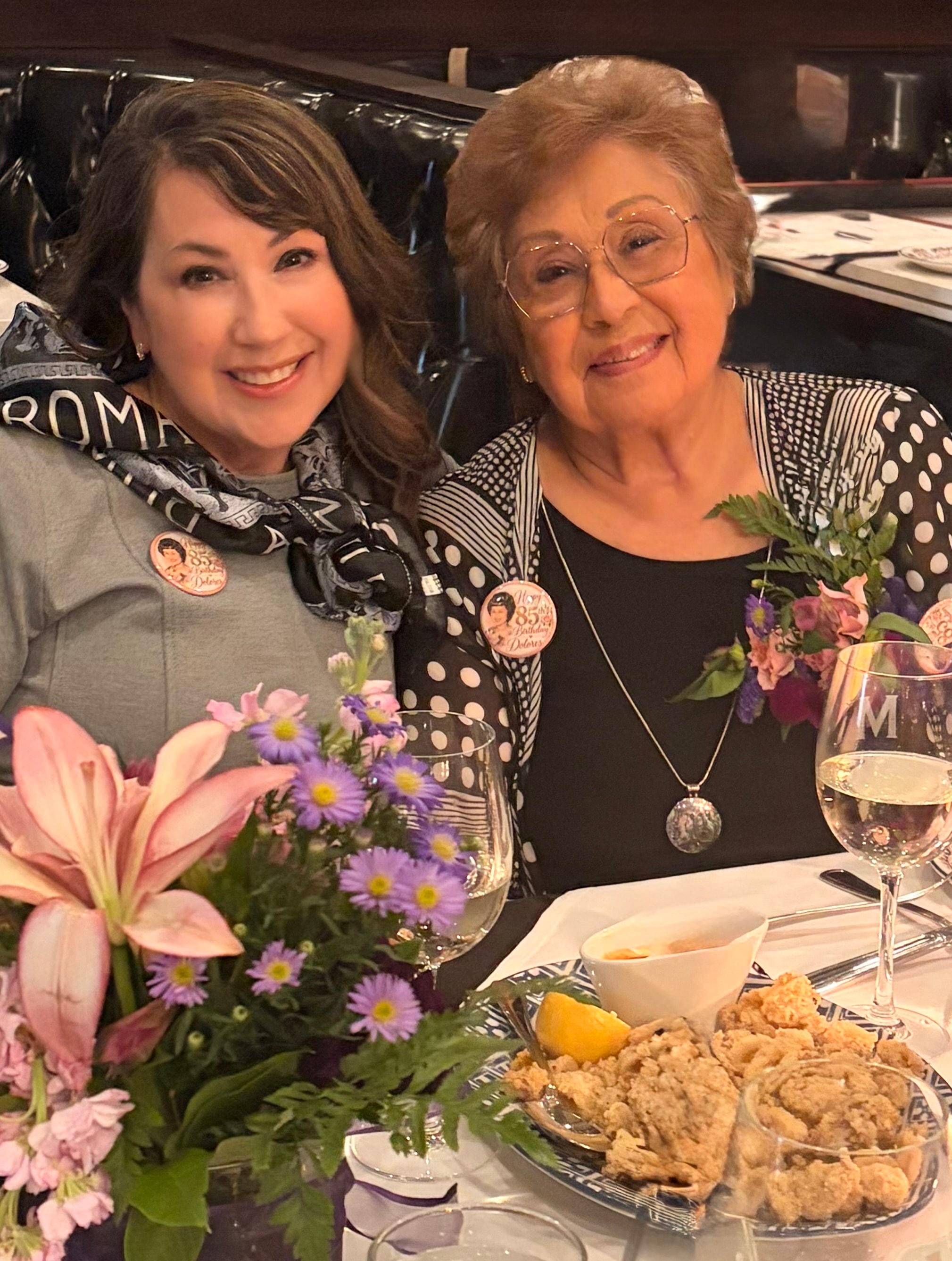
We went to Maggiano's to celebrate my mother's 85th birthday, not to experience a restaurant's operating systems.
And that's the point.
When the systems work, customers don't notice them. They remember the experience.
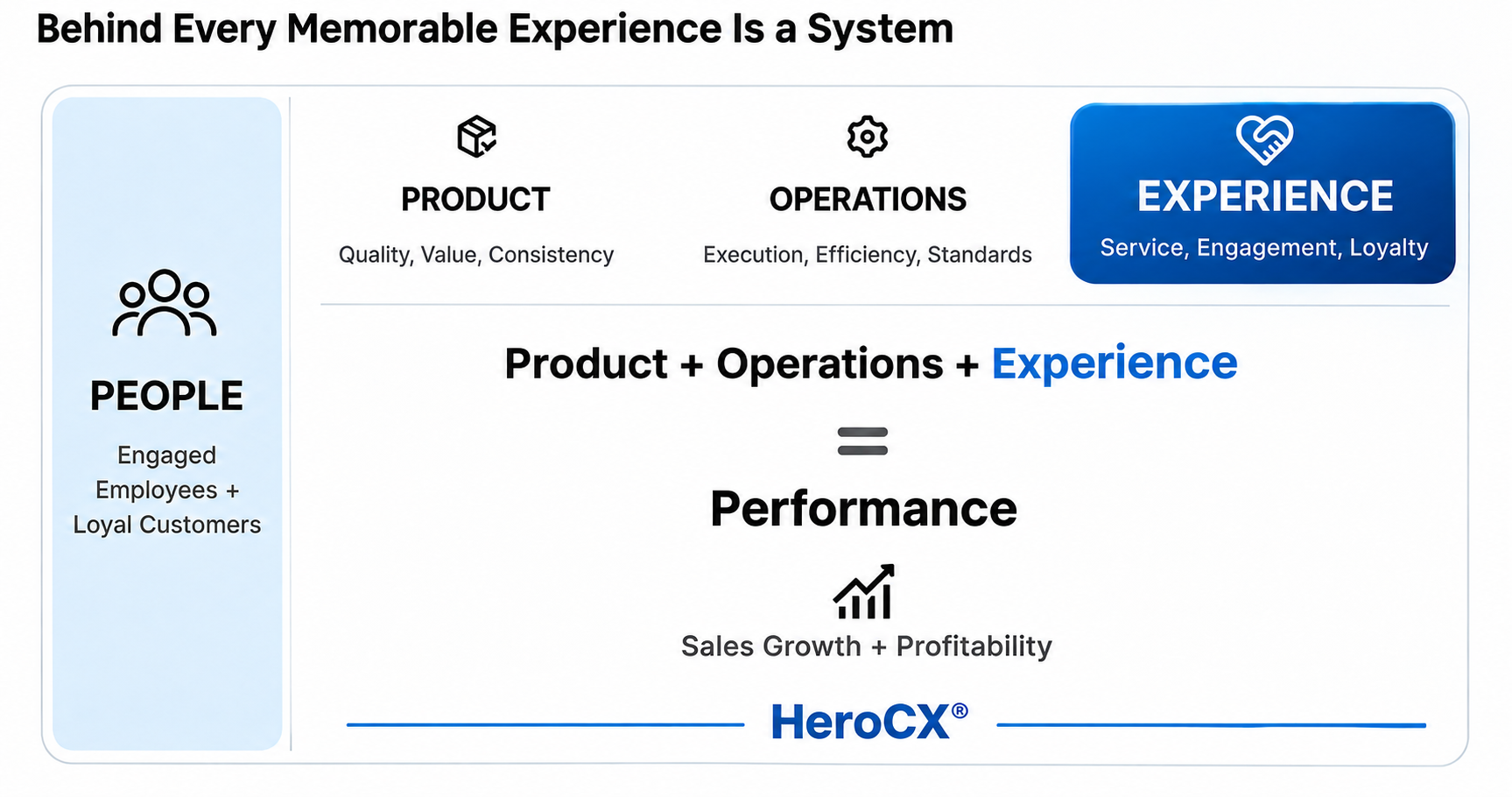
Great products matter. Efficient operations matter. But the systems behind both should ultimately support the experience customers came for.
She asked if we could come back here for her 90th birthday!